
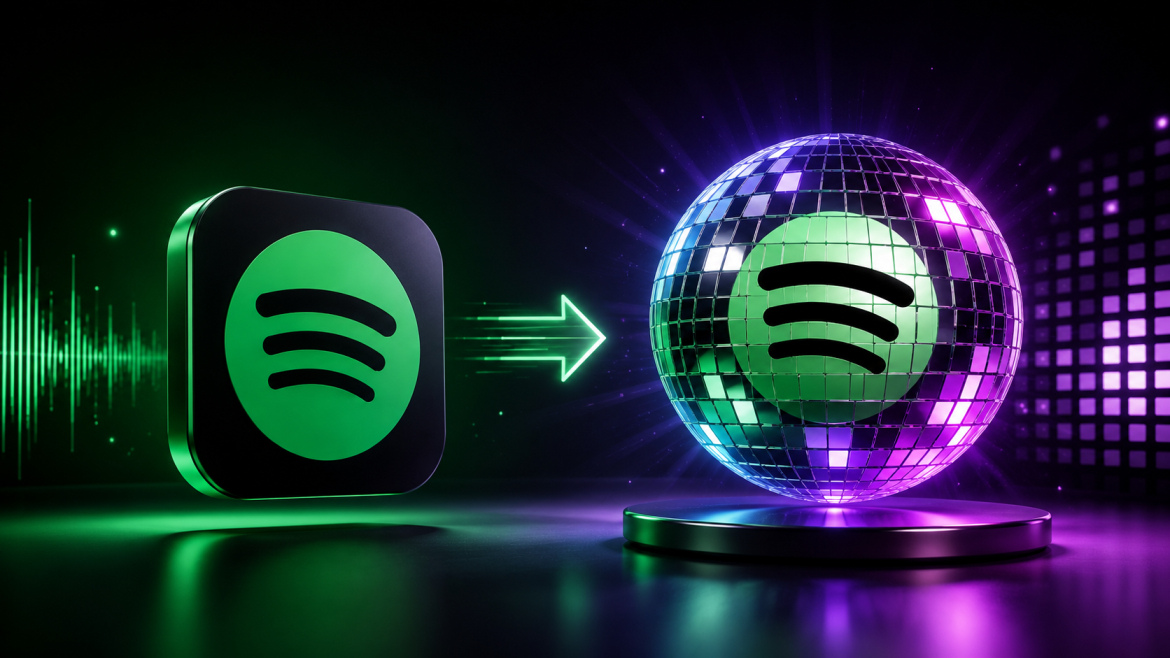
Spotify is
facing a wave of mixed reactions online after unveiling a redesigned “party
globe” logo as part of its 20th anniversary celebrations, triggering one of the
platform’s biggest viral branding conversations in recent months.
The updated
visual identity, which replaces Spotify’s familiar green icon with a reflective
disco ball-inspired design inside parts of the app experience, quickly spread
across social media platforms after users began sharing screenshots, memes,
criticism, and parody edits online.
While many
users described the redesign as visually distracting or unnecessary, others
praised the company for experimenting with a more celebratory and
entertainment-focused aesthetic tied to music culture and nightlife themes.
The strong
online response rapidly transformed the redesign into a larger internet
discussion about branding, digital identity, and how controversy itself
increasingly functions as marketing in the social media era.
Spotify
Logo Debate Explodes Across Social Media
The redesign
gained momentum after users across X, Reddit, Instagram, and TikTok began
reacting to the new disco-style visual elements appearing within the Spotify
app.
Some users
criticized the icon as “confusing,” “ugly,” or “too different” from Spotify’s
long-established branding identity, while others argued the redesign made the
platform feel more energetic and culturally aligned with music and party
experiences.
The backlash
itself quickly became algorithm-driven content.
Memes,
reaction videos, screenshots, parody redesigns, and debate posts began
generating millions of views across platforms, turning the logo update into a
viral online topic far beyond traditional design communities.
The
situation reflects a growing trend in modern branding where public reaction, including
criticism, often becomes part of the marketing cycle itself.
In today’s
digital landscape, brands increasingly gain visibility not only through
advertising campaigns, but through conversation volume, online participation,
and user-generated reactions.
Spotify’s
redesign demonstrates how even negative reactions can generate enormous
exposure when amplified through social media algorithms and internet culture.
Word-of-Mouth
Branding Takes Over the Internet
The
discussion surrounding the logo also highlights how audiences now interact with
branding more actively than before. Consumers no longer simply view brand
updates passively; they remix them, meme them, criticize them, defend them, and
ultimately spread them across platforms at massive scale.
The rapid
spread of Spotify’s redesign debate reflects the growing importance of
word-of-mouth visibility in modern digital marketing.
Unlike
traditional campaigns driven primarily through paid media, viral internet
reactions can now create global awareness within hours through reposts, memes,
commentary, and creator participation.
Marketing
trends across recent years show that emotionally charged reactions, whether
positive or negative, often generate stronger engagement than neutral
responses.
This has led
many brands to experiment with bold redesigns, controversial campaigns,
unexpected collaborations, and culture-driven internet moments designed to
trigger discussion online.
The Spotify
logo conversation fits directly into that larger shift.
The redesign
itself became less important than the audience reaction surrounding it.
Spotify
Turns Attention Into a Viral Branding Machine
As debate
intensified, the disco ball icon continued spreading across timelines, meme
pages, creator accounts, and entertainment discussions, giving Spotify massive
organic visibility without relying solely on traditional advertising.
The
phenomenon also highlights how internet culture increasingly shapes brand
perception in real time.
Platforms
such as TikTok, Instagram, Reddit, and X now allow users to collectively
influence how branding decisions are interpreted publicly within hours of
launch.
For
companies, this creates both opportunity and risk.
A redesign
can quickly become a viral cultural moment, but public reaction can also
reshape the narrative far beyond the company’s original intention.
Still, the
visibility generated through the Spotify redesign demonstrates a growing
reality inside digital marketing: attention itself has become one of the most
valuable branding assets online.
Whether
audiences loved or hated the new visual identity, they continued talking about
it, and in today’s algorithm-driven internet economy, sustained conversation
often translates directly into brand reach, engagement, and cultural relevance.
The viral
reaction to Spotify’s disco ball logo further reinforces how modern branding is
increasingly driven not just by design choices, but by how effectively those
choices trigger participation across online communities and social platforms.

.jpg)

Comments
Loading comments...
Leave a Comment