
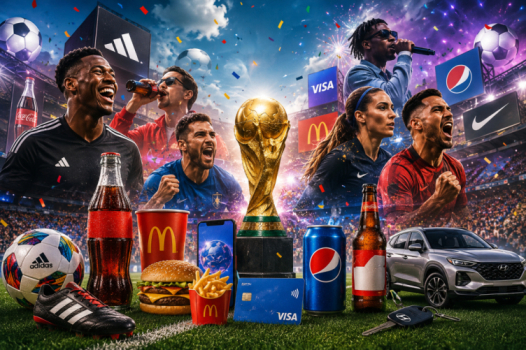
The FIFA World Cup 2026 is rapidly becoming one of the biggest global advertising battlegrounds in recent years, with international brands rolling out aggressive campaigns, celebrity partnerships, fan activations, and large-scale digital marketing pushes ahead of the tournament.
New tracking
data from Brand Innovators shows a
sharp increase in World Cup-related advertising activity across sportswear,
beverages, automotive, telecom, entertainment, and retail sectors as companies
compete for global visibility ahead of the event.
The
tournament, scheduled across the United States, Canada, and Mexico, is expected
to attract billions of viewers worldwide, making it one of the largest
marketing opportunities of the decade.
Major
Brands Accelerate FIFA World Cup Campaigns
Adidas has
intensified its World Cup marketing push through celebrity-driven campaigns
featuring football stars and entertainment personalities. The brand is focusing
heavily on football culture, fan identity, and global street-style campaigns
tied to the tournament atmosphere.
The
company’s strategy combines athlete partnerships, cinematic storytelling, and
digital-first campaigns aimed at younger audiences across social platforms.
Coca-Cola is
expanding fan-focused experiences tied to the tournament through collectible
campaigns, event activations, and interactive digital promotions.
The brand
continues positioning football as a unifying global moment, using emotional
storytelling and large-scale visibility campaigns connected to live match
culture and fan celebrations.
Visa is
increasing its World Cup presence through payment integrations, fan
experiences, and global sponsorship visibility.
The company
is focusing on travel, ticketing, and event-linked transactions while expanding
digital engagement campaigns around tournament participation.
McDonald’s
is using football-themed promotions, limited-time campaigns, and fan-driven
activations tied to match experiences and audience engagement.
The
company’s World Cup strategy is centered around family participation,
collectibles, and global youth audiences.
Hyundai is
continuing its long-running FIFA partnership with mobility-focused campaigns
connected to transportation, sustainability, and event infrastructure
visibility.
The
automotive company is expected to increase digital storytelling around travel
experiences and tournament movement across host cities.
Budweiser
has expanded football-themed marketing campaigns through fan experiences,
celebration content, and influencer partnerships.
The brand is
focusing heavily on social media engagement, real-time campaign interaction,
and match-driven promotional content.
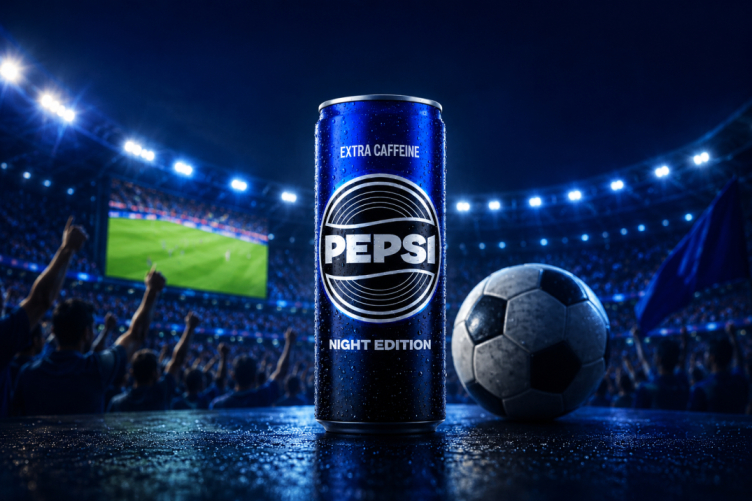
Pepsi is
intensifying music-and-football crossover campaigns ahead of the tournament,
combining entertainment partnerships with youth-focused digital marketing.
The
company’s strategy continues blending football culture with music, creators,
and online engagement trends.
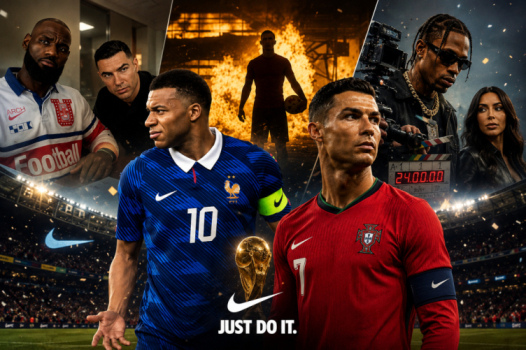
Nike is
increasing football-focused brand campaigns centered on athletes, national
teams, and performance storytelling.
The company
is expected to compete aggressively for digital attention through cinematic
advertisements, athlete documentaries, and short-form content.
Advertising
Spending Set to Surge
The FIFA
World Cup 2026 is projected to trigger a major increase in global advertising
expenditure across television, streaming platforms, digital media, outdoor
campaigns, and live experiences.
Marketing
activity tied to the tournament is already accelerating months before kickoff,
with brands attempting to establish audience attention early before competition
intensifies further.
The event’s
North American hosting structure is also expected to expand football’s
commercial influence within the United States, creating new opportunities for
global sponsors and regional advertisers.
Celebrity
Marketing Becomes Central Strategy
A major
trend emerging ahead of the tournament is the growing use of entertainment
personalities within football campaigns.
Brands are
now blending sports stars, musicians, actors, and digital creators within
single campaigns to attract wider audiences beyond just football fans.
This
strategy reflects how football marketing is evolving into a larger
entertainment ecosystem where sports, music, fashion, and internet culture
increasingly overlap.
Fan
Engagement Moves Beyond Traditional Advertising
Brands are
also shifting away from traditional advertising-only approaches toward
interactive fan participation.
Current
World Cup campaigns increasingly include:
- Digital fan challenges
- Limited-edition merchandise
- Ticket giveaways
- Social media activations
- Creator-led campaigns
- Interactive experiences
The focus is
moving toward audience participation rather than passive advertising exposure.
Digital
Platforms Become Main Marketing Battlefield
Social media
platforms are emerging as the primary battleground for FIFA World Cup marketing
campaigns.
Short-form
video content, influencer partnerships, livestream integrations, and creator
collaborations are now central to how brands approach tournament visibility.
Companies
are increasingly designing campaigns specifically for mobile-first audiences,
where viral engagement and shareability play a major role in campaign success.
FIFA
World Cup Expands Beyond Sports
The scale of
advertising activity surrounding FIFA World Cup 2026 highlights how the
tournament has evolved into a global cultural and commercial event extending
far beyond football itself.
Modern World
Cup campaigns now combine:
- Entertainment culture
- Lifestyle branding
- Digital creators
- Music partnerships
- Fashion collaborations
- Interactive technology
This
transformation is reshaping how brands approach sports marketing on a global
scale.
Outlook
As FIFA
World Cup 2026 approaches, advertising competition is expected to intensify
significantly, with more global brands entering the race for audience
attention.
The
tournament is shaping up to become one of the largest marketing events in
recent history, driving massive investment across digital media, television,
social platforms, retail campaigns, and experiential marketing.
For brands, the challenge is no longer simply participating in World Cup advertising, but finding ways to stand out in an environment where nearly every major global company is competing for the same audience.

.jpg)
Comments
Loading comments...
Leave a Comment