
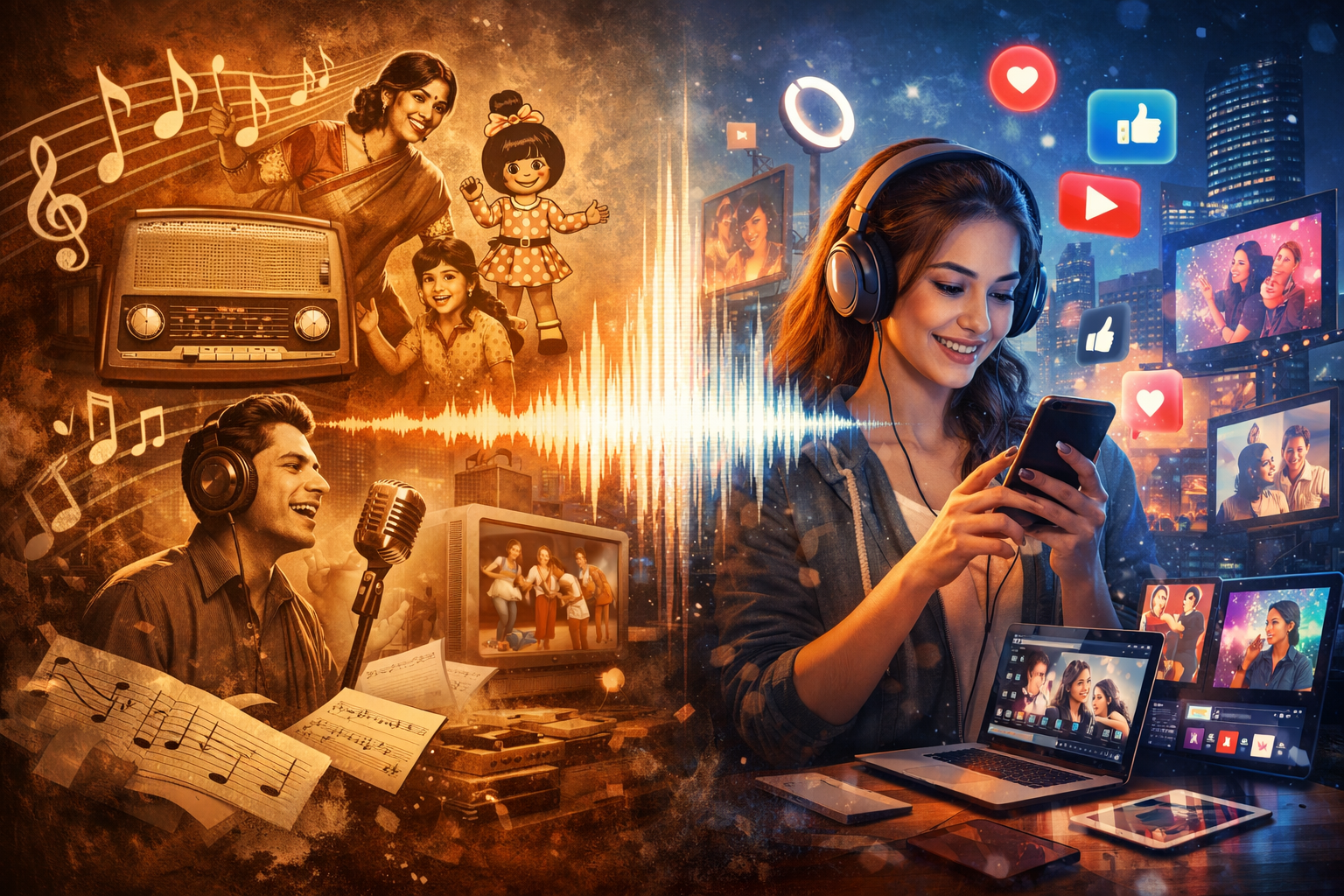
Advertising music continues to influence consumer memory and brand recall, even as modern campaigns increasingly move away from distinctive jingles toward fast-paced, visually driven content, according to marketing analysts observing shifts in digital advertising strategies.
For decades,
brands relied on simple, repetitive musical hooks to stay embedded in public
consciousness. Many of those audio cues remain recognizable today, often
recalled instantly without any accompanying visuals. Industry observers now say
this lasting recall is prompting renewed discussion about whether modern
advertising has lost a key emotional advantage by reducing its focus on music.
Music’s
Role in Memory and Brand Recall
Marketing
professionals note that music has a strong neurological connection to memory
and emotion. Repetitive melodies and simple compositions are easier for the
brain to retain, allowing brands to create long-lasting associations through
sound alone.
Earlier
advertising campaigns used this deliberately. By embedding brand messaging into
melodies, companies ensured that recall extended beyond the duration of the
advertisement itself. In many cases, consumers remembered the tune first, with
the brand identity following automatically.
Classic
Indian campaigns remain strong examples of this approach.
The
well-known Nirma jingle, for instance, relied on repetition and rhythm
to build familiarity:
Similarly, Vicco
advertisements integrated product messaging directly into the music,
reinforcing both recall and product purpose:
In contrast,
Airtel’s theme, composed by A. R. Rahman, focused on melody rather than
lyrics, helping create an emotional identity for the brand:
Amul’s campaigns also used music to reflect
everyday cultural moments, strengthening familiarity over time:
Analysts say
these campaigns demonstrate that music was not simply a supporting element but
a central driver of brand recall.
Shift
Toward Digital-First Advertising
Despite
their effectiveness, original jingles have become less common in recent years.
The rise of digital platforms has changed how advertising content is produced
and consumed.
Modern
campaigns are often designed for short attention spans, with brands
prioritizing quick engagement through visuals, storytelling, and rapid
messaging. Instead of creating original audio identities, many advertisers now
rely on trending sounds or licensed music that aligns with current platform
trends.
Industry data indicates this shift reflects the demands of platforms such as Instagram,
YouTube, and TikTok, where content must capture attention within seconds.
Short-Term
Engagement vs Long-Term Recall
Marketing
experts highlight a growing trade-off in contemporary advertising strategies.
While trend-based audio can drive immediate visibility and engagement, it may
not contribute to long-term memory in the same way traditional jingles did.
Digital campaigns are increasingly optimized for performance metrics such as clicks and views, while memorability develops over a longer period, an area where music has traditionally held an advantage.
Older
campaigns focused on building familiarity over time, using repetition and
emotional resonance. In contrast, modern advertising often emphasizes immediate
outcomes, such as conversions and engagement rates.
Why
Jingles Have Declined
Several
structural changes in the advertising ecosystem have contributed to the decline
of traditional jingles.
Audiences
are now fragmented across multiple platforms, making it harder to maintain a
single, consistent audio identity. At the same time, licensing existing music
has become faster and more cost-effective than producing original compositions.
Additionally,
marketing decisions are increasingly driven by data and performance analytics.
Because long-term brand recall is harder to measure than short-term engagement,
it is often deprioritized in campaign planning.
Signs of
a Return to Audio Branding
Despite the
shift, some brands are beginning to revisit the role of sound in advertising.
Rather than returning fully to traditional jingles, companies are experimenting
with shorter and more adaptable audio elements.
These
include sonic logos, signature brand sounds, and brief audio cues designed to
be instantly recognizable across platforms.
Analysts
suggest that as digital content becomes more saturated, distinctive sound could
once again become a key differentiator for brands competing for attention.
Balancing
Speed and Memory
Observers point out that the challenge for modern advertisers is not choosing between
traditional and digital approaches but integrating both.
Fast-paced
content can drive reach and engagement, while music can reinforce memory and
emotional connection. Brands that successfully combine these elements may be
better positioned to maintain both visibility and long-term recall.
Industry
Outlook
The
continued recognition of classic advertising jingles highlights the enduring
influence of music in shaping consumer perception. Even as advertising evolves
in response to digital platforms and changing audience behavior, sound remains
a powerful tool for building brand identity.
As
competition for attention intensifies, marketers may increasingly look to audio
as a way to create lasting impressions in an environment dominated by fleeting
content.
For now, the contrast between nostalgic advertising music and modern campaign strategies underscores a broader shift in how brands balance immediacy with memorability in the digital age.

.jpg)
Comments
Loading comments...
Leave a Comment