
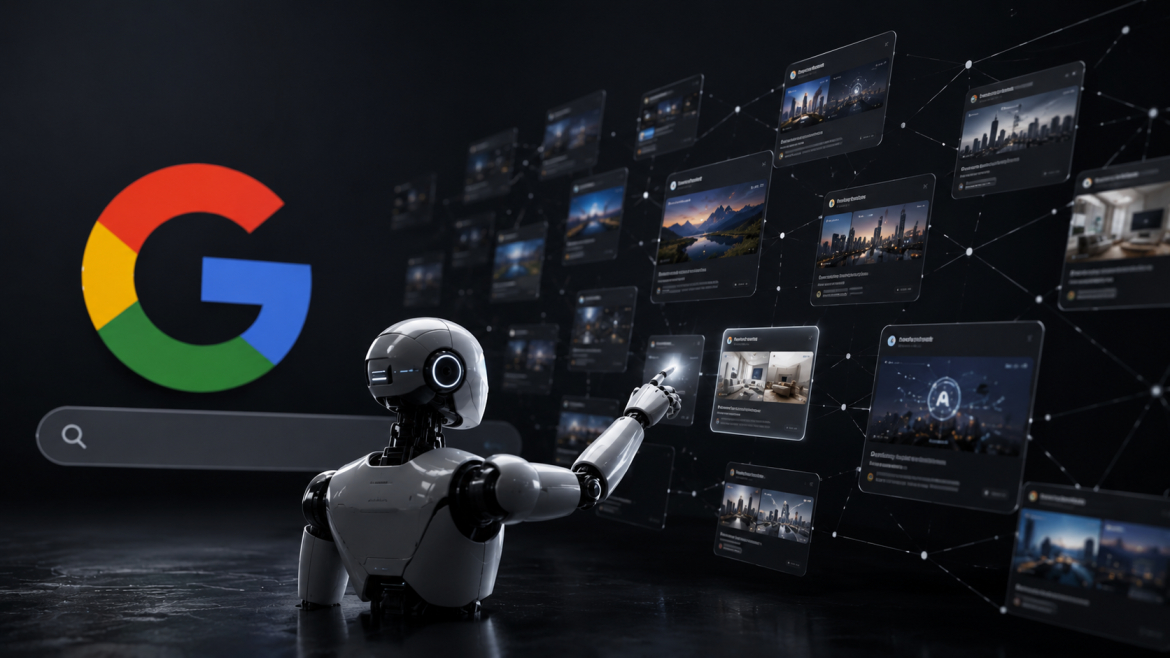
Google has
formally expanded its transformation of online search, moving beyond
traditional keyword-based queries and toward an AI-powered ecosystem driven by
autonomous digital agents. The development represents a significant change in
how users discover information online. Instead of relying solely on search
results pages, users are increasingly interacting with AI systems that can
understand tasks and act on them directly.
The shift is
being powered by Google's Gemini 3.5 Flash model alongside the company's May
2026 Core Update, introducing new search capabilities that increasingly allow
artificial intelligence systems to perform tasks on behalf of users rather than
simply displaying search results. The technology is designed to reduce the
number of manual steps required to find information or complete actions online.
Google says the update aims to create a more personalized and efficient search
experience for users across multiple devices and services.
According to
Google, its AI-powered search mode now reaches more than one billion monthly
users, marking one of the largest changes to internet search behavior since the
launch of modern search engines. The milestone reflects growing adoption of
AI-assisted search experiences across global markets. The company continues to
expand AI features into additional products as demand for conversational and
task-oriented search tools increases.
A key
feature of the update is the introduction of AI agents capable of continuously
monitoring the web for specific information. Users can assign these agents to
track apartment listings, monitor product availability, watch for price
changes, or follow niche topics without repeatedly conducting manual searches.
These agents can remain active in the background and deliver updates when
predefined conditions are met. The capability is intended to save time and
reduce the need for repeated searches throughout the day.
The company
has also expanded what it calls agent-assisted commerce. Instead of directing
users to websites where purchases are completed manually, AI systems can now
carry out shopping-related actions in the background, including selecting
products, adding items to carts, and completing transactions based on user
instructions. This approach allows users to automate portions of the purchasing
process while retaining control over final preferences and spending limits. The
feature is expected to streamline online shopping and reduce friction during
product discovery.
The growing
use of AI agents is also expected to influence website traffic patterns and
digital marketing strategies. As more users receive answers directly from AI
systems, businesses may need to adjust how they present information online.
Organizations are increasingly focusing on content structures that can be
easily understood and processed by AI-driven platforms.
Google has
additionally introduced a new web crawler identity known as Google-Agent.
The user agent allows website operators and developers to identify visits and
interactions originating from Google's AI systems through server logs and
analytics tools. The addition provides greater transparency regarding how
Google's AI technologies access and interact with web content. Site owners can
use this information to better understand AI-related traffic and engagement
trends.
The rollout
highlights a broader transition in digital discovery, where artificial
intelligence is increasingly acting as an intermediary between users and online
content. Businesses, publishers, and website owners are expected to adapt their
digital strategies as AI agents become more involved in searching, evaluating,
and interacting with information across the web. The shift is already prompting
discussions about visibility, content accessibility, and the future role of
traditional search rankings.
The latest
changes reinforce Google's growing focus on agent-based experiences, signaling
a future in which AI systems play a central role in how information is found,
monitored, and acted upon online. Analysts expect the technology to continue
evolving as AI becomes more deeply integrated into everyday digital activities.
The company's latest initiatives suggest that search is gradually moving from a
destination-based model toward an action-oriented ecosystem driven by
intelligent agents.

.jpg)

Comments
Loading comments...
Leave a Comment