
A growing number of major corporations are moving away from unlimited artificial intelligence access plans and adopting pay-per-use models as the cost of running advanced AI systems continues to rise.
The shift reflects a broader change across the AI industry, where businesses are increasingly focused on controlling spending and improving efficiency rather than encouraging unrestricted use of AI tools.
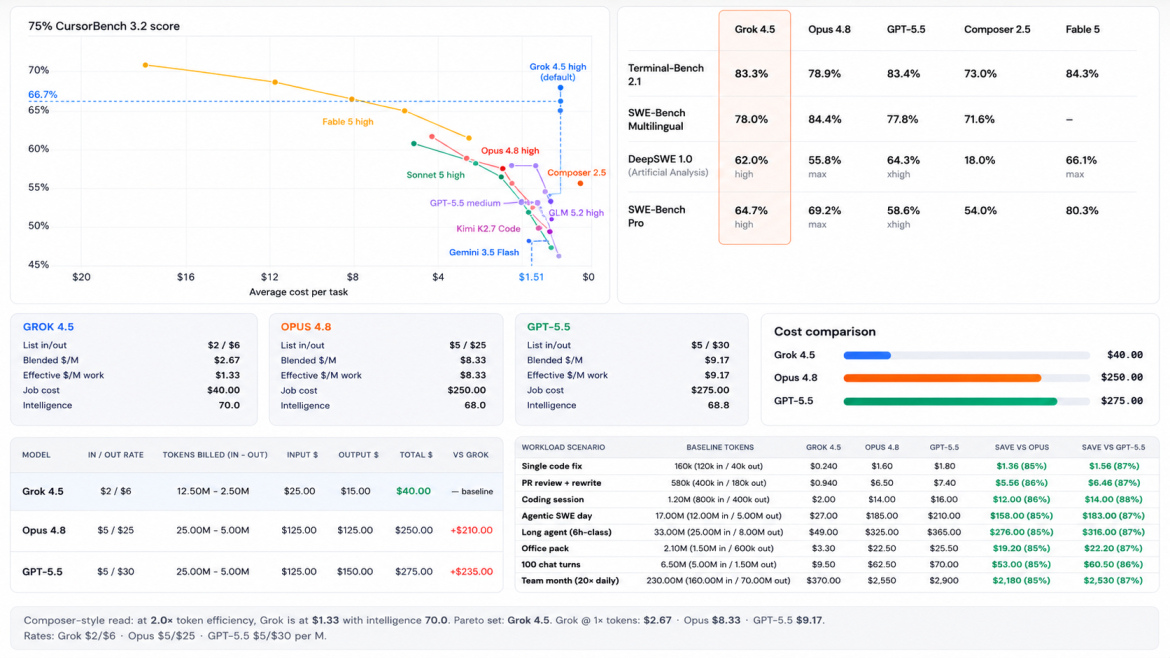
Technology providers including OpenAI and Anthropic have expanded enterprise pricing structures based on token consumption, a measurement that reflects the amount of data processed by AI models. As organizations deploy more sophisticated AI agents capable of performing multiple tasks autonomously, token usage has increased dramatically, leading to significantly higher operating costs.
Many companies initially encouraged employees to maximize their use of AI tools as part of efforts to accelerate adoption. Internal programs often rewarded experimentation, and some organizations even tracked usage through leaderboards that highlighted employees consuming the highest number of AI tokens.
However, the rapid growth of agentic AI systems has altered that approach. Unlike traditional chatbots that answer a single question, modern AI agents can execute chains of tasks, analyze large datasets, generate code, conduct research and interact with multiple systems simultaneously. While these capabilities increase productivity, they also require substantially more computing resources.
As a result, several large enterprises have begun introducing spending limits and usage controls. Major companies such as Uber, Walmart, AT&T, Meta, and Amazon are tightening internal AI usage rules as growing token expenses put pressure on budgets.
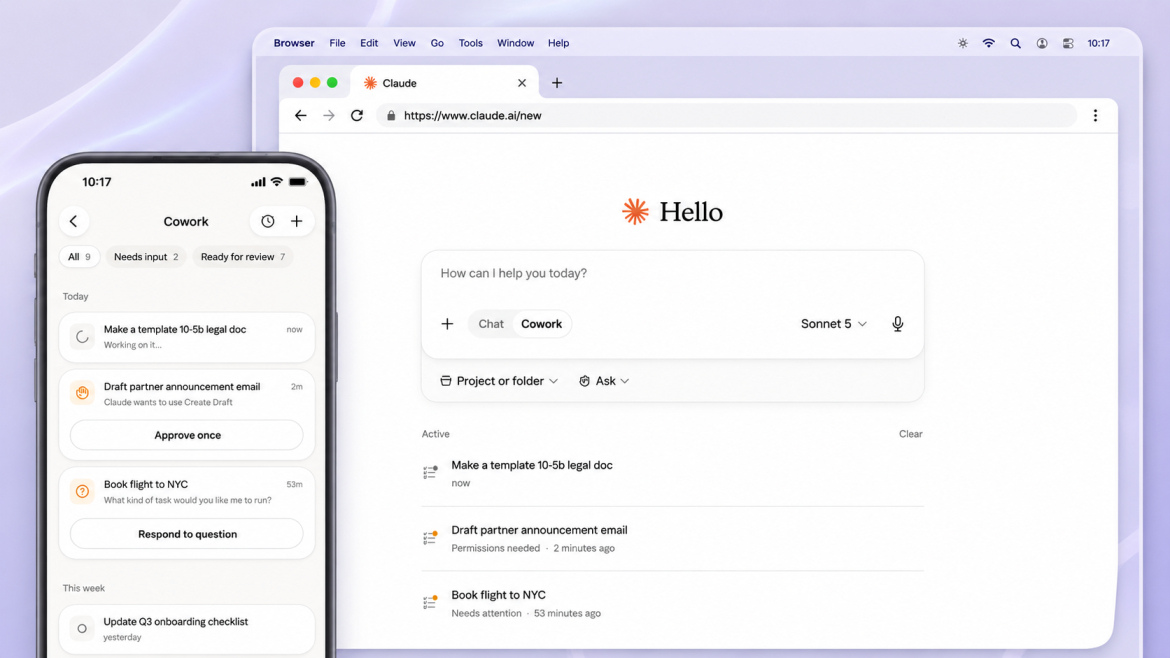
Uber has emerged as one example of the trend, reportedly introducing a spending cap for employees using advanced coding assistants such as Claude Code. The company now places limits on AI-related expenditures to ensure that usage remains aligned with business objectives and budget expectations.
The change signals a shift in how organizations evaluate the value of artificial intelligence. Rather than measuring success by the number of prompts submitted or tokens consumed, businesses are increasingly focusing on outcomes such as productivity improvements, operational efficiency and return on investment.
Industry leaders have recognized that higher token usage does not automatically translate into better results. In some cases, AI systems may generate excessive processing activity without delivering proportional business benefits. This realization has prompted companies to prioritize optimization and smarter deployment strategies.
The rising costs have also accelerated interest in alternative AI solutions. Many organizations are exploring open-source models and lower-cost platforms that can be customized for specific business needs. These alternatives often provide greater control over infrastructure expenses while reducing dependence on premium commercial services.
At the same time, software developers are introducing new tools designed to reduce token consumption. These systems help organizations optimize prompts, streamline workflows and minimize unnecessary processing, allowing companies to extract greater value from AI investments without dramatically increasing costs.
The transition marks an important stage in the evolution of enterprise AI adoption. During the early wave of generative AI enthusiasm, businesses focused primarily on experimentation and rapid deployment. As the technology matures, financial sustainability is becoming a central consideration.
The move toward controlled AI usage does not signal a slowdown in adoption. Instead, companies are focusing on balancing innovation with cost efficiency as artificial intelligence becomes a long-term part of business operations.
With AI spending continuing to rise across industries, companies are increasingly adopting a more disciplined approach, emphasizing efficiency, measurable outcomes and responsible resource allocation. The emerging focus on "token minimization" highlights a new phase in the AI economy, where success is determined not by how much AI is used, but by how effectively it delivers value.

.jpg)

Comments
Loading comments...
Leave a Comment