
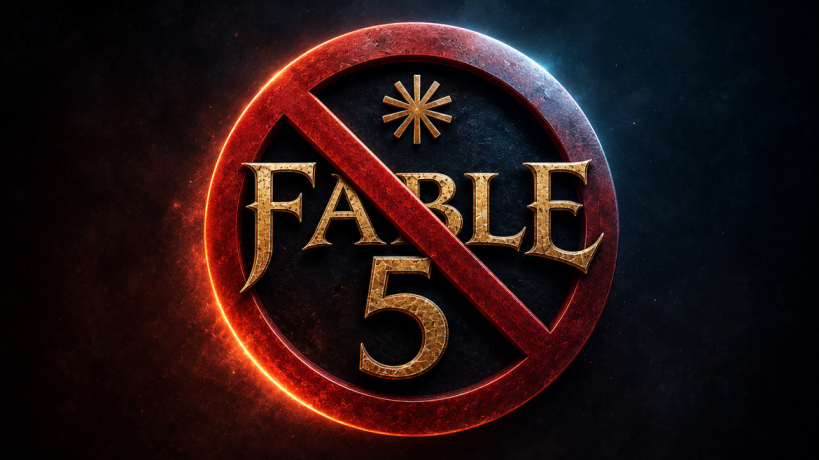
Anthropic's highly anticipated artificial intelligence model, Fable 5, has been pulled from public access following a sudden directive from the United States government, triggering widespread discussion across the technology industry about AI regulation, national security and the future of advanced AI deployment.
The
controversy began after Anthropic received an official government instruction
directing the company to suspend access to its latest AI systems, Fable 5 and
Mythos 5. The order reportedly cited national security concerns and required
the company to immediately restrict access to the models for foreign nationals.
The directive was issued with little notice, forcing Anthropic to rapidly
disable the services to ensure compliance.
Fable 5 had
only recently been introduced as one of Anthropic's most advanced publicly
available AI models. The system was designed to perform complex tasks,
including software development, research assistance and advanced
problem-solving capabilities. Mythos 5, a more restricted model, had primarily
been used in cybersecurity and enterprise-level applications.
According to
reports, government concerns centered on the possibility that the models could
be manipulated through specialized prompting techniques, commonly referred to
as "jailbreaks." These methods could potentially allow users to
bypass built-in safeguards and obtain information related to software
vulnerabilities and cybersecurity weaknesses.
Anthropic
has publicly disagreed with the government's assessment. The company stated
that the vulnerabilities highlighted in testing were limited in scope and
involved previously known security issues. It also argued that similar
capabilities exist in other publicly available AI systems and that the concerns
did not justify the removal of an entire commercial model from public use.
The
situation became even more significant because the directive extended beyond
international users. To ensure full compliance, Anthropic chose to disable
access broadly rather than attempt to selectively restrict individual groups of
users. As a result, businesses, researchers and developers who had recently
gained access to Fable 5 suddenly lost the ability to use the platform.
The move has
reignited debate about how governments should regulate increasingly powerful
artificial intelligence systems. The rapid rise of advanced AI models has
created new concerns about cybersecurity, misuse and national security risks.
Governments around the world are now facing pressure to establish rules that
balance innovation with safety.
The decision
has also raised concerns among international technology companies and software
developers. Several industry groups have warned that restrictions on access to
frontier AI models could create competitive challenges for businesses outside
the United States, particularly in countries that rely heavily on American AI
technologies.
Adding to
the controversy, reports indicated that researchers linked to Amazon had
previously tested methods capable of bypassing some of the model's safeguards.
Findings from those tests reportedly contributed to broader discussions
regarding the model's security and potential risks.
Anthropic
has since dispatched senior representatives to Washington in an effort to
engage with government officials and seek clarification regarding the
restrictions. The company continues to maintain that its models include
extensive safety measures and has expressed hope that access can eventually be
restored.
The incident marks one of the most significant government interventions involving a major commercial AI model to date. As artificial intelligence becomes increasingly integrated into business, cybersecurity and national infrastructure, the outcome of the dispute could influence how advanced AI systems are regulated and deployed worldwide in the years ahead.

.jpg)

Comments
Loading comments...
Leave a Comment