
OpenAI has introduced a limited preview of its next-generation GPT-5.6 models, giving early access to a select group of trusted developers while broader public availability remains on hold during a U.S. government security review.
The preview
includes three new AI models, Sol, Terra and Luna, each designed for different
workloads ranging from advanced reasoning and software development to faster,
lower-cost AI applications. OpenAI said the phased rollout is intended to
gather feedback and validate safety measures before expanding access to a wider
audience.
Among the
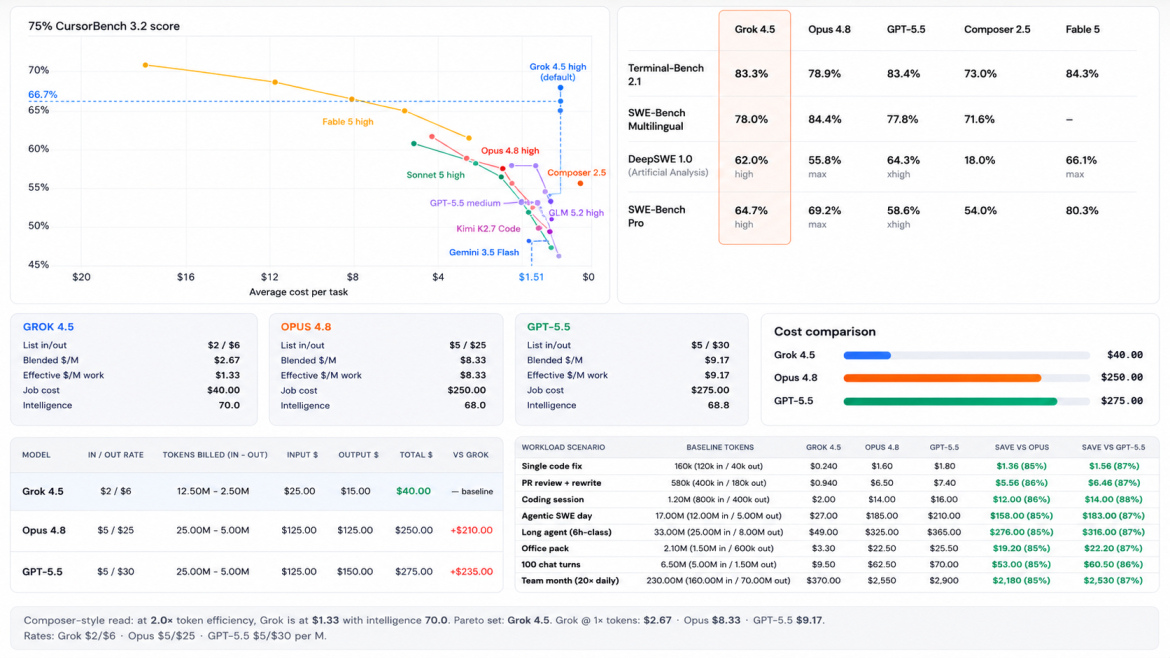
new releases, Sol has emerged as the flagship model. According to benchmark
results released alongside the preview, the model achieved leading performance
on TerminalBench 2.1, a widely watched evaluation for terminal-based coding and
problem-solving tasks. The results position Sol among the strongest AI systems
currently available for software engineering and technical reasoning.
The company
said early access has been restricted to selected API customers and Codex
partners. The limited rollout follows discussions with U.S. government
officials regarding the capabilities of advanced AI systems, particularly in
areas related to cybersecurity and autonomous software development.
OpenAI
stated that additional safeguards have been integrated into GPT-5.6 before its
release. These include enhanced monitoring systems designed to detect
potentially harmful or unauthorized use, along with improved oversight
mechanisms intended to reduce security risks while maintaining model
performance.
The decision
to delay a wider launch reflects increasing government attention on highly
capable AI models. As generative AI systems become more advanced, regulators
and national security agencies are paying closer attention to technologies that
could influence cybersecurity, critical infrastructure and other sensitive
sectors.
The
announcement has generated mixed reactions across the technology community.
Many developers welcomed the reported improvements in coding, scientific
reasoning and technical accuracy, viewing GPT-5.6 as another significant step
forward in AI capabilities.
At the same
time, the limited availability has sparked discussion about how advanced AI
systems should be released. Some developers have questioned whether restricting
access to selected organizations could slow innovation or create unequal access
to emerging technologies during an increasingly competitive AI race.
The launch
also highlights a broader shift in how frontier AI models are being introduced.
Rather than releasing increasingly powerful systems to the public immediately,
developers are adopting phased deployment strategies that combine technical
testing with safety reviews before expanding access.
OpenAI has
indicated that GPT-5.6 will become more broadly available after the preview
period concludes and additional evaluations are completed. The company has not
announced a specific timeline for the wider rollout but said it plans to expand
access once the necessary security assessments and testing processes have been
finalized.
The preview
marks another milestone in the rapid evolution of artificial intelligence,
while also underscoring the growing role governments are playing in shaping how
the most advanced AI technologies reach developers and businesses.

.jpg)

Comments
Loading comments...
Leave a Comment