.jpg)
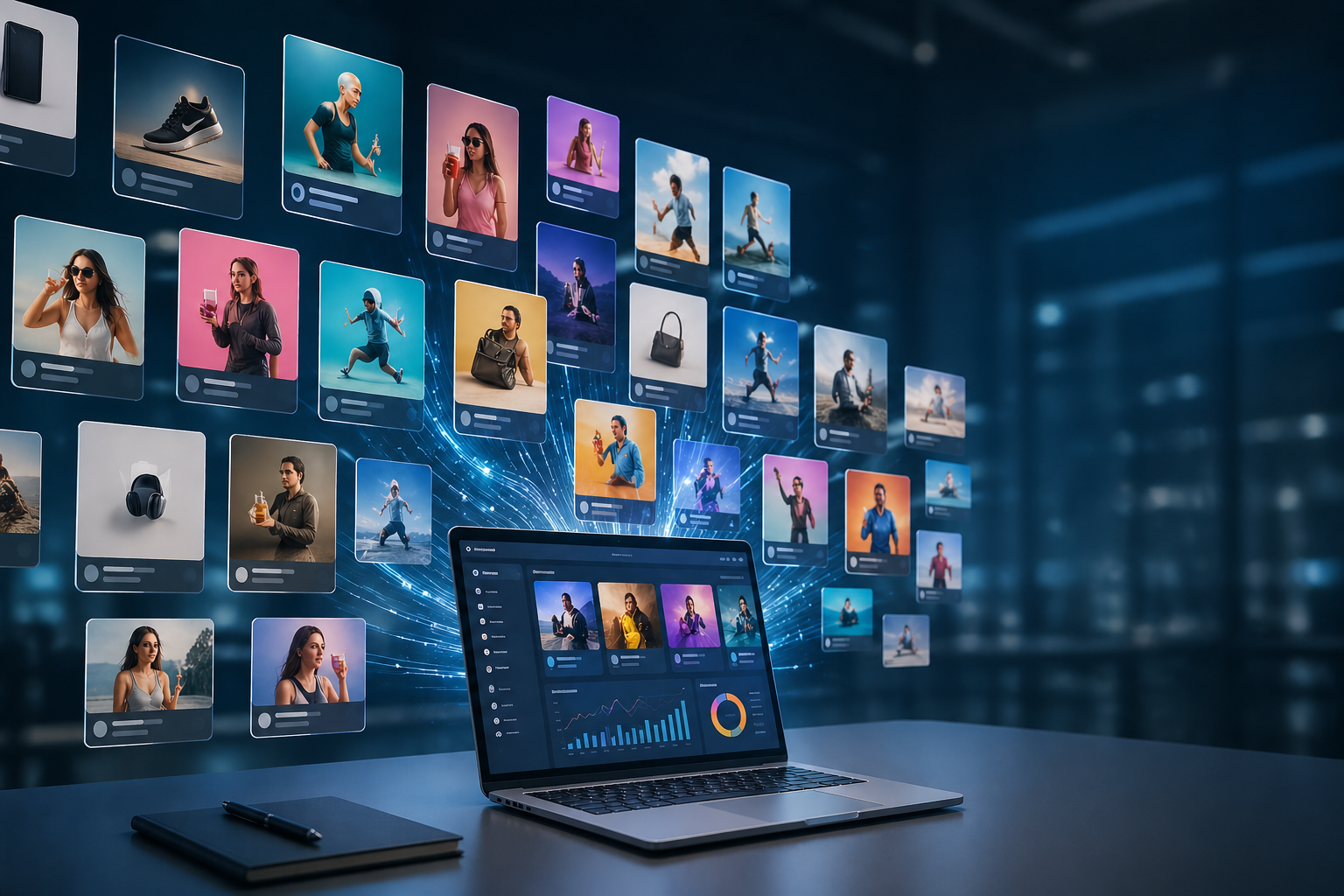
India's influencer marketing industry is expected to cross ₹3,000 crore in spending by 2026, reflecting the rapid shift of brand budgets toward creator-led campaigns across digital platforms.

Industry
analysts indicate that influencer collaborations are no longer limited to
lifestyle and fashion brands. Sectors such as fintech, edtech, health care,
automobiles, and direct-to-consumer startups are significantly increasing
investments in creator partnerships.
Marketing
agencies report steady growth in campaign volumes over the past two years, with
regional creators gaining increased attention from national brands. Tier-2 and
Tier-3 markets are emerging as key growth areas as internet penetration expands
and regional language content gains popularity.
Brands
Shift Budgets Toward Creator-Led Campaigns
Brand
managers say influencer marketing now plays a central role in product launches,
awareness campaigns, and performance-driven promotions. Compared to traditional
digital ads, creator collaborations are often viewed as more relatable and
capable of driving engagement among younger audiences.
Micro and
nano influencers are seeing higher demand as brands prioritize community trust
over follower count. Marketers note that engagement rates and audience loyalty
are becoming more important metrics than reach alone.
Several
large consumer brands have reportedly increased their influencer budgets by
double digits year-on-year, citing improved return on investment and stronger
brand recall.
Platforms
Drive Growth
Short-form
video platforms continue to dominate influencer activity. Growth has been
particularly visible on platforms such as Instagram and YouTube, where
creator-led commerce, live integrations, and regional language content are
accelerating campaign adoption across diverse markets.
Social
commerce features integrated within platforms are also contributing to growth,
allowing users to purchase products directly through creator content. This
integration has shortened the path from discovery to transaction.
Industry
observers suggest that improvements in campaign tracking and performance
analytics have increased advertiser confidence, making influencer marketing
more measurable and accountable.
Regulatory
and Transparency Considerations
As spending
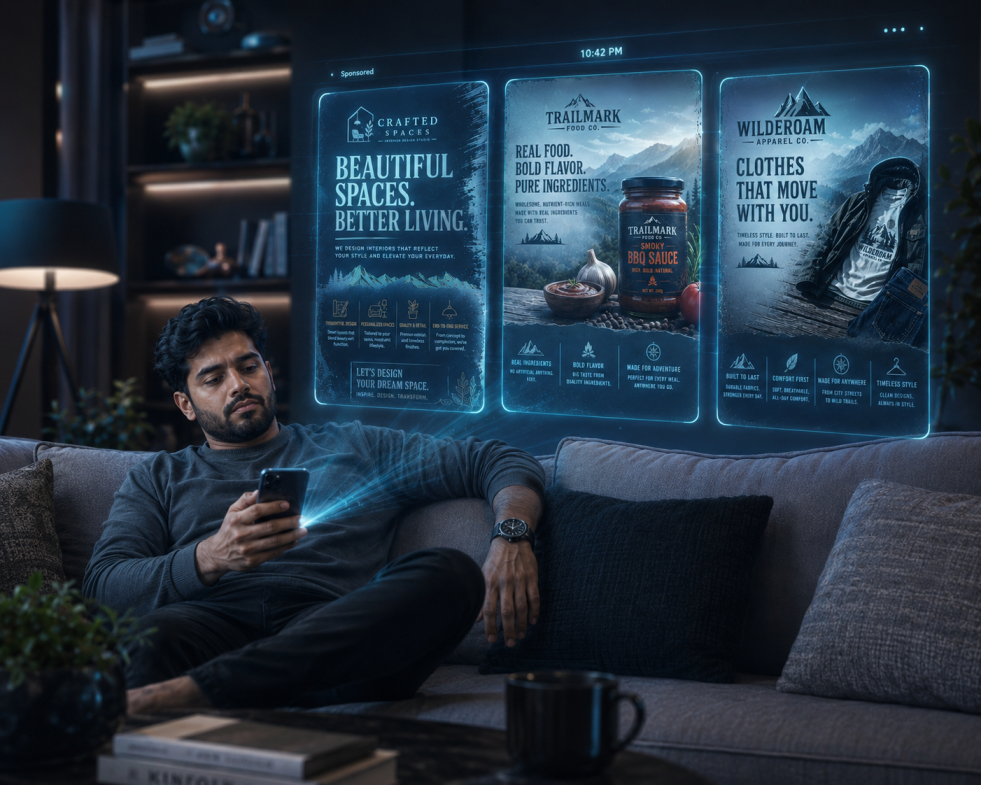
increases, regulatory oversight is also evolving. Advertising disclosure norms
and transparency guidelines are being more actively enforced to ensure
consumers can identify paid promotions.
Agencies
report that brands are becoming more cautious about compliance, influencer
contracts, and authenticity standards. Disclosure practices are now commonly
included in campaign agreements to avoid reputational risk.
Market
Outlook
With
smartphone adoption rising and digital consumption expanding across
demographics, industry experts believe influencer marketing will remain one of
the fastest-growing segments within India's broader advertising ecosystem.
The
projected ₹3,000 crore milestone signals not only higher spending but also a
structural shift in how brands connect with audiences.
While
traditional advertising channels continue to hold value, influencer-driven
campaigns are increasingly becoming a primary strategy rather than a
supplementary one.
Industry analysts suggest that what began as experimental brand collaborations has now evolved into an integrated, performance-focused channel. Influencer marketing in India is no longer optional experimentation, it is becoming core infrastructure within modern brand strategy.

.jpg)
Comments
Loading comments...
Leave a Comment