
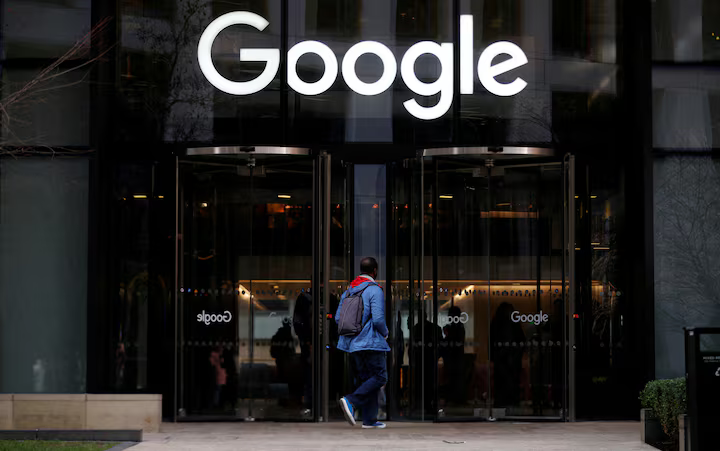
Google has reportedly limited the amount of Gemini AI computing capacity available to Meta after surging demand for artificial intelligence services placed growing pressure on the company's cloud infrastructure.
According to
reports, Google informed Meta in March 2026 that it would be unable to provide
the full level of Gemini AI resources requested. The decision reflects the
increasing strain on global AI infrastructure as technology companies race to
build and deploy more advanced generative AI models.
The reported
restrictions come after demand for Google's AI services accelerated rapidly
over the past year. API requests for Gemini reportedly more than doubled
between March and August 2025, placing significant pressure on available
computing resources and data center capacity.
Meta, which
had planned to expand its use of Google's AI infrastructure, was forced to
revise its strategy after learning that the requested capacity would not be
immediately available. The company reportedly began optimizing its internal AI
workloads while also exploring alternative infrastructure providers to support
future growth.
As part of
that effort, Meta later reached a multibillion-dollar agreement with Nebius
Group to secure additional AI computing infrastructure beginning in 2027. The
deal is expected to provide the company with expanded access to
high-performance computing resources needed to train and operate large AI
models.
The
development highlights one of the biggest challenges facing the artificial
intelligence industry today. While companies continue introducing increasingly
powerful AI systems, the availability of graphics processing units (GPUs),
cloud servers and data center infrastructure has struggled to keep pace with
demand.
Google has
previously acknowledged that infrastructure capacity remains one of its biggest
operational challenges. During recent financial results, the company reported
continued growth in Google Cloud revenue while noting that demand for AI
computing services continues to exceed available capacity in several areas.
The rapid
adoption of generative AI has intensified competition among major technology
companies for access to advanced computing resources. Cloud providers are
investing billions of dollars in new data centers, specialized AI chips and
networking infrastructure to support growing enterprise demand.
The reported
capacity constraints also demonstrate that infrastructure availability has
become as strategically important as AI model development itself. Companies
building frontier AI systems increasingly depend on reliable access to
large-scale computing resources to maintain product development and serve
expanding customer bases.
Despite the
reported limitations, both Google and Meta continue to invest heavily in
artificial intelligence. Google is expanding its cloud infrastructure and AI
services, while Meta is increasing spending on data centers, custom AI hardware
and large language model development.
The
situation underscores the growing importance of computing power in the global
AI race. As organizations deploy larger models and millions of users adopt
AI-powered services, securing sufficient infrastructure has become a key
competitive advantage for technology companies.
With demand continuing to outpace available resources, industry observers expect cloud providers and AI developers to accelerate investments in next-generation infrastructure over the coming years, making computing capacity one of the defining factors shaping the future of artificial intelligence.

.jpg)

Comments
Loading comments...
Leave a Comment