
Fintech
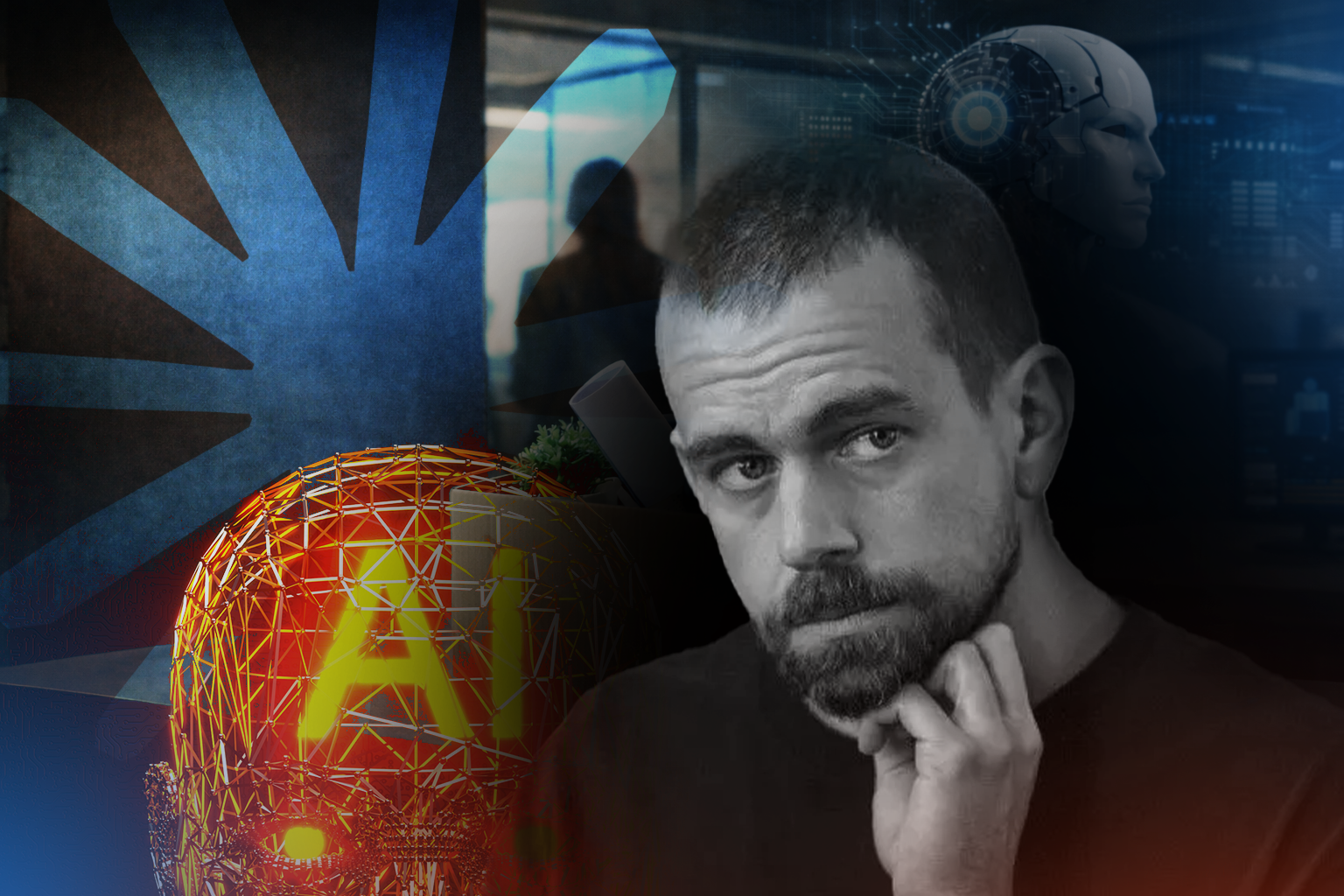
company Block Inc., led by co-founder and CEO Jack Dorsey,
announced significant workforce reductions this week, cutting more than 4,000
jobs, nearly 40 % of its employees, in a move the company directly linked to
its expanding use of AI tools. At the same time, Dario Amodei, chief
executive officer of the AI research firm Anthropic, has repeatedly
warned that artificial intelligence could displace a substantial share of
entry-level white-collar jobs within the next several years, prompting broader
debate about the future of work.
AI Tools
Cited in Major Layoff Move
Block’s mass
layoffs, disclosed in a shareholder letter and public filings, mark one of the
clearest cases of a company explicitly attributing job cuts to AI-driven
transformation. The cuts reduce the company’s workforce from more than 10,000
to roughly 6,000 positions as executive leaders push to make AI a core
operational differentiator.
According to
company statements, the decision was not driven by poor financial performance, Block
reported strong revenue and profit growth in late 2025, but rather by a belief
that AI technologies enable smaller teams to accomplish tasks more efficiently
than traditional staffing models. Dorsey has emphasized that “intelligence
tools have changed what it means to build and run a company,” urging organizations
to adopt AI integration proactively rather than risk falling behind
competitors.
Employees
affected by the layoffs were reportedly offered severance and transitional
support packages, though some experiences underscore the personal challenges of
sudden workforce change in a tech environment increasingly shaped by
automation.
Longer-Term
Job Displacement Concerns
While
Block’s workforce reduction has drawn industry attention, broader concerns
about AI’s impact on the labour market have been voiced by technology leaders
for months. Dario Amodei, co-founder and CEO of Anthropic, the company
behind the AI model Claude, has repeatedly warned that artificial intelligence
could displace a significant portion of white-collar work, especially at the
entry level. Analysts cite remarks suggesting as many as half of entry-level
white-collar jobs could disappear in the next five years if current
automation trends continue.
Amodei’s
warnings have been articulated in essays, interviews, and public appearances,
urging young professionals, students, and organisations to prepare for a labour
market increasingly influenced by AI capability. While estimates vary among
economists and researchers, the focus remains on how AI tools could displace
routine analytical, administrative, and software-related tasks that have
traditionally required human intervention.
Balancing
Efficiency and Workforce Stability
Economists
and industry experts acknowledge that AI carries both potential benefits and
risks for employment. On one hand, automation can streamline workflows, reduce
repetitive tasks, and enhance productivity. On the other, the displacement of
workers, particularly in entry-level and mid-skill roles, raises concern about
broader economic implications and workforce inequality.
Some experts
argue that technological shifts historically eliminate certain categories of
jobs while creating new ones in emerging areas such as data engineering, AI
oversight, and advanced analytics. Others warn that the pace of AI adoption may
outstrip the ability of labour markets, education systems, and policy
frameworks to adapt effectively.
Industry
Reactions and Policy Debates
Block’s
layoffs and Amodei’s warnings have reignited discussions among policymakers,
workforce advocates, and industry leaders. While some technology executives
defend AI integration as essential for competitiveness, critics argue that
without proactive retraining and social safety measures, disruption could
disproportionately impact early-career professionals and underserved
communities.
A growing
conversation now centres on how governments and educational institutions can
support workers transitioning from roles that may become automated. Proposals
include expanded reskilling programs, stronger labour protections, and
incentives for industries that create new job categories.
Economic
Outlook
The dual
narrative, immediate layoffs tied to AI tools and strategic warnings from AI
leaders, underscores a complex labour transformation. Companies such as Block
are positioning AI as a source of operational efficiency, while voices like
Amodei’s highlight long-term risks to workforce stability.
As AI
continues to reshape workflow, corporate structures, and job requirements, the
coming years are likely to see intensified efforts by businesses, governments,
and workers to navigate this transition. Whether AI’s overall impact on
employment will be net positive, neutral, or negative remains a key question
for economists and policymakers alike.
For now, the
combination of high-profile job cuts and executive foresight illustrates both
the immediate and anticipated effects of artificial intelligence on the global
workforce.

.jpg)

Comments
Loading comments...
Leave a Comment