
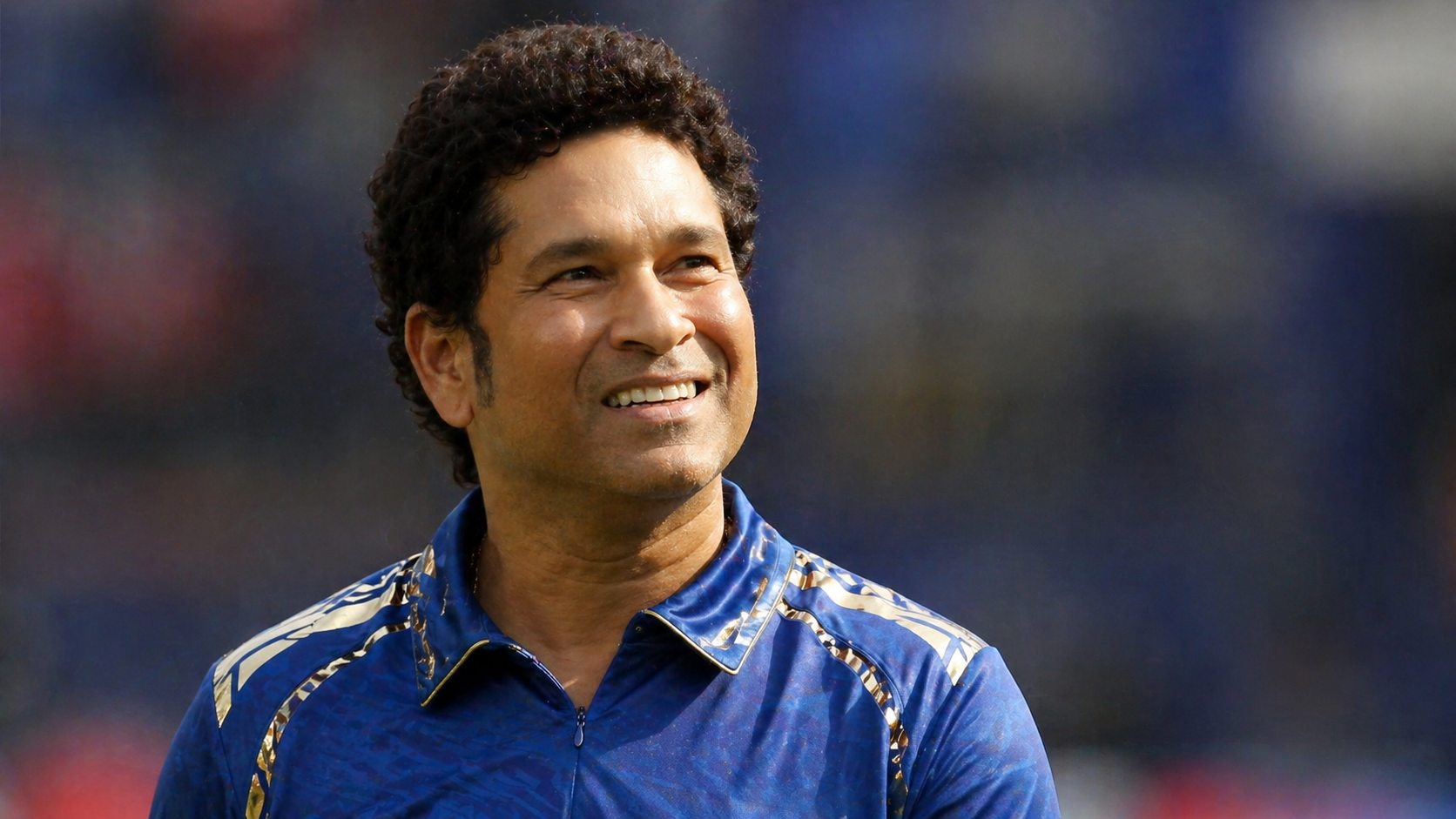
In an era
where digital attention spans are shrinking and visibility is often mistaken
for value, a new marketing perspective is placing long-term trust above
short-term reach. At the center of this shift is Sachin Tendulkar, whose
enduring relevance continues to shape how brands approach credibility and
consumer confidence.
Recent
industry discussions highlight how Tendulkar’s brand value has evolved beyond
traditional celebrity endorsement, positioning him as one of India’s most
reliable symbols of trust in marketing.
From
Visibility to Credibility
Modern
marketing has largely been driven by attention metrics, views, clicks,
impressions, and engagement rates. However, growing consumer skepticism and
information overload are forcing brands to rethink this approach.
Tendulkar’s
continued relevance offers a contrasting model. Rather than relying on constant
visibility, his brand strength is rooted in consistency, discipline, and
credibility built over decades.
Unlike many
contemporary influencers who depend on frequent content and rapid engagement
cycles, Tendulkar’s presence is selective and measured. This scarcity has
strengthened his impact, making each appearance more meaningful.
Trust as
a Conversion Driver
In
categories such as finance, healthcare, education, and insurance, where
decision-making involves higher risk, trust plays a critical role in
influencing consumer behavior.
Marketing
insights suggest that Tendulkar functions as a “credibility accelerator,”
helping brands reduce hesitation among consumers.
His
association with a product or service signals reliability, which can shorten
the decision-making process and improve conversion outcomes.
This is
particularly relevant in India, where purchasing decisions are often influenced
by reassurance and long-term value rather than just price or promotion.
Multi-Generational
Appeal Strengthens Impact
One of the
defining characteristics of Tendulkar’s brand is its ability to connect across
age groups.
Older
audiences associate him with trust and familiarity, while millennials view him
as a symbol of aspiration. Younger generations, despite not witnessing his peak
career, continue to engage with his legacy through digital content and cultural
narratives.
This
multi-generational relevance allows a single brand ambassador to influence
multiple decision-makers within a household, an important factor in categories
involving family-driven purchases.
Such
cross-generational trust is rare in modern marketing, where audience
segmentation often limits reach.
Consistency
Builds Long-Term Brand Equity
Marketing
experts point to consistency as a key factor behind Tendulkar’s enduring
influence.
Over a
career spanning more than two decades, his public image remained largely free
from controversy, aligning closely with the values he represented in brand
endorsements.
This
alignment between personal identity and public messaging has reinforced
consumer trust, making his endorsements more credible.
Unlike
short-term campaigns that rely on trends or viral moments, this approach builds
long-term brand equity that does not require constant reinvention.
A Shift
Away From Performance Marketing Metrics
The rise of
performance marketing has led many brands to focus on measurable outcomes such
as click-through rates and impressions.
However, the
Tendulkar model suggests that not all value can be captured through immediate
metrics.
Trust
operates differently. It builds gradually and influences decisions over time,
often in ways that are not immediately visible in analytics dashboards.
This has led
to a growing recognition that brand-building and performance marketing must
work together rather than compete.
Scarcity
as a Strategic Advantage
Another
factor contributing to Tendulkar’s marketing effectiveness is selective
visibility.
By limiting
appearances and choosing associations carefully, his brand avoids overexposure,
a common issue in influencer marketing.
This
controlled presence increases perceived value, ensuring that each endorsement
carries weight.
In contrast,
high-frequency visibility can dilute brand impact, making endorsements feel
less authentic.
Relevance
Beyond Endorsements
Tendulkar’s
role in marketing has also expanded beyond traditional advertising.
He is
increasingly seen as a symbol of institutional trust, appearing in initiatives
related to governance, social causes, and long-term development projects.
This broader
positioning strengthens his credibility, reinforcing the perception that his
associations are based on value rather than visibility.
As a result,
his influence extends beyond consumer products into areas where trust is
critical.
Implications
for Modern Marketing Strategies
The evolving
role of trust in marketing has several implications for brands:
- Credibility over visibility: Being seen is no longer enough;
being trusted is essential.
- Long-term positioning: Brands must invest in
consistency rather than short-term campaigns.
- Selective partnerships: Overexposure can weaken impact,
while scarcity can enhance it.
- Emotional connection: Trust is built through
reliability and authenticity, not just messaging.
These shifts
reflect a broader transition in the marketing landscape, where consumers are
becoming more discerning and less responsive to traditional advertising
tactics.
A
Changing Definition of Influence
The concept
of influence itself is being redefined.
While social
media metrics remain important, they do not always translate into trust or
purchase decisions.
Tendulkar’s
example demonstrates that influence can exist without constant visibility,
driven instead by reputation and credibility.
This
challenges the current emphasis on virality and engagement, suggesting that
deeper, more meaningful connections may deliver greater long-term value.
Outlook
As marketing
continues to evolve, the balance between attention and trust is likely to
become a defining factor in brand success.
The case of
Sachin Tendulkar highlights how enduring credibility can outperform short-lived
visibility, particularly in categories where consumer confidence is critical.
For brands
navigating an increasingly complex digital environment, the message is clear:
Attention may capture interest, but trust drives decisions.



.jpg)
.png)
Comments
Loading comments...
Leave a Comment