
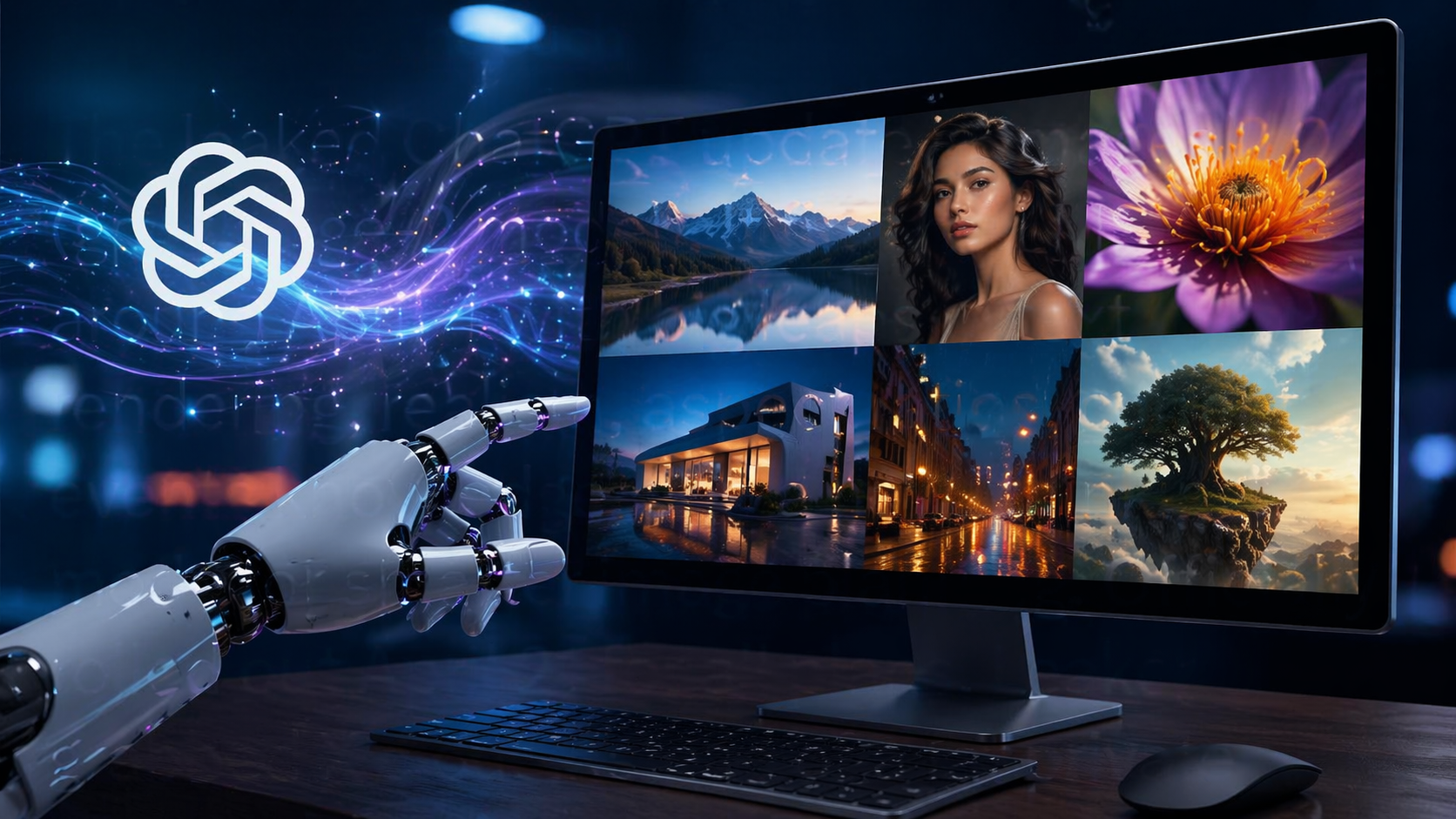
OpenAI has
introduced a major upgrade to its image generation capabilities with the launch
of ChatGPT Images 2.0, marking a significant step forward in how artificial
intelligence creates and interprets visual content.
The new
model, powered by the “gpt-image-2” system, represents the latest evolution in
AI-generated imagery, focusing on improved accuracy, realism, and usability
across a wide range of applications.
A Shift
Toward More Intelligent Image Generation
Unlike
earlier versions that primarily relied on prompt-based image generation,
ChatGPT Images 2.0 introduces a more structured approach to visual creation.
The updated
system incorporates what is described as a “thinking” or reasoning capability,
allowing it to process instructions more deeply before generating an image.
This means
the model is not just responding to keywords but interpreting intent, improving
the overall coherence and relevance of generated visuals.
Major
Improvements in Text Rendering and Precision
One of the
most notable upgrades in ChatGPT Images 2.0 is its ability to accurately render
text within images, an area where earlier AI models often struggled.
The system
can now generate clear and readable text across various formats, including
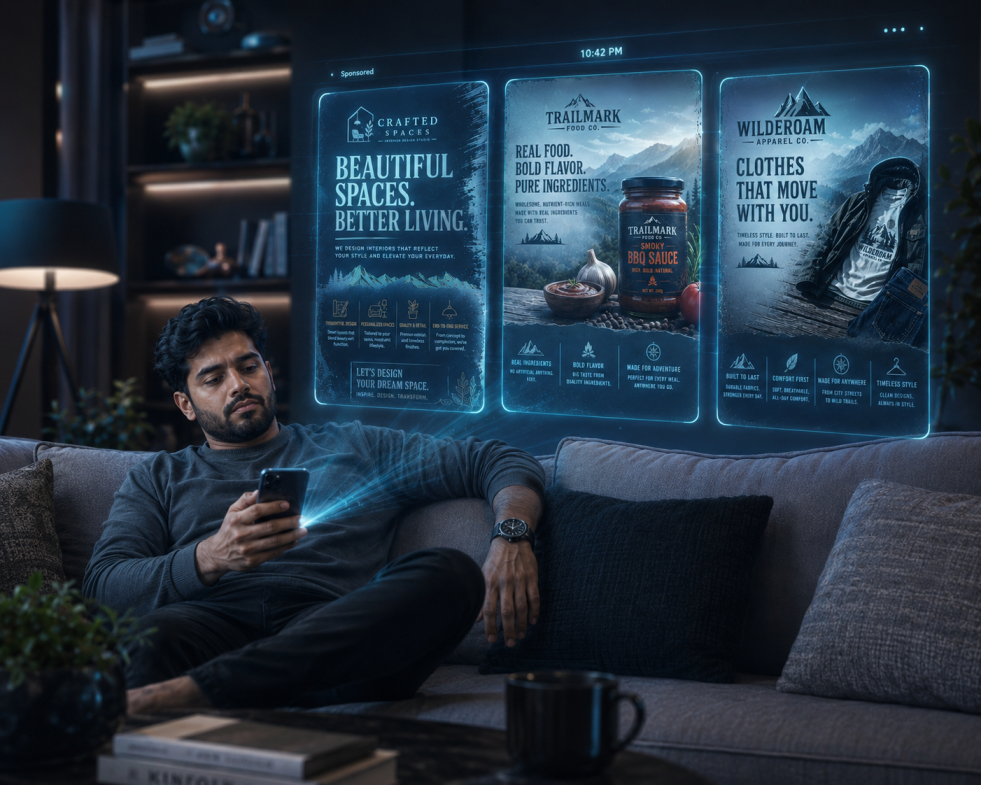
posters, user interface designs, and infographics.
This
enhancement is particularly important for professional use cases, where
precision and clarity are essential.
In addition
to text handling, the model demonstrates improved ability to follow detailed
instructions, ensuring outputs align more closely with user expectations.
Enhanced
Realism and Visual Quality
The new
model also delivers significant improvements in visual realism.
Images
generated using ChatGPT Images 2.0 are designed to appear more natural and
detailed, with better handling of lighting, composition, and textures.
According to
early demonstrations, the system can produce visuals that closely resemble
real-world photographs, blurring the line between AI-generated and real
imagery.
This level
of realism expands the potential applications of AI-generated visuals across
industries.
Support
for Complex and Multi-Format Outputs
ChatGPT
Images 2.0 is built to handle more complex visual tasks compared to previous
versions.
The model
supports:
- Multiple aspect ratios,
including wide and vertical formats
- High-resolution outputs,
including up to 2K image quality
- Generation of multiple
consistent images from a single prompt
These
capabilities make it suitable for creating structured content such as slides,
comics, marketing materials, and product mockups.
The system’s
ability to maintain consistency across multiple images is particularly useful
for storytelling and brand-related content.
Multilingual
and Context-Aware Capabilities
Another key
advancement is the model’s ability to handle multiple languages more
effectively.
ChatGPT
Images 2.0 can generate and interpret text in various languages, including
Hindi, Japanese, Korean, and Chinese, making it more versatile for global
users.
Additionally,
the model can incorporate contextual information from user inputs, including
uploaded files and structured prompts, to produce more accurate outputs.
Availability
Across ChatGPT Ecosystem
The new
image model has been rolled out across ChatGPT, with availability extending to
different user tiers.
While basic
features are accessible to a broad user base, advanced capabilities such as
enhanced reasoning modes and higher-quality outputs may be more accessible to
paid users and enterprise environments.
The model is
also available through API access, enabling developers to integrate advanced
image generation into applications and workflows.
Industry
Impact and Competitive Landscape
The launch
of ChatGPT Images 2.0 comes amid increasing competition in the generative AI
space.
Technology
companies are racing to improve multimodal capabilities, combining text, image,
and video generation into unified systems.
The
introduction of reasoning-based image generation positions OpenAI more
competitively against other AI platforms that have focused on multimodal
performance.
The update
also reflects a broader shift toward AI tools that can produce production-ready
content rather than experimental outputs.
Implications
for Creators and Businesses
The improved
capabilities of ChatGPT Images 2.0 are expected to have practical implications
across industries.
For
designers and marketers, the ability to generate high-quality visuals with
accurate text and layout reduces the need for manual design work.
Businesses
can use the tool for:
- Advertising and branding
materials
- Social media content
- Product visualization
- UI and UX prototyping
This shift
has the potential to accelerate content creation while lowering production
costs.
Ethical
and Security Considerations
As image
generation becomes more realistic, concerns around misuse and authenticity are
also increasing.
Highly
realistic AI-generated images raise questions about misinformation, identity
misuse, and digital trust.
Experts note
that while the technology offers significant benefits, it also requires careful
oversight to prevent misuse and ensure responsible deployment.
Outlook
The release
of ChatGPT Images 2.0 signals a major advancement in AI-driven creativity.
By combining
improved realism, accurate text rendering, and reasoning-based generation, the
model moves closer to functioning as a practical tool for professional content
creation.
As
generative AI continues to evolve, tools like ChatGPT Images 2.0 are expected
to play a central role in shaping how visual content is produced and consumed.
The focus is
shifting from simple generation to intelligent creation, where AI not only
produces images but understands how and why they should be created.
.jpg)
Comments
Loading comments...
Leave a Comment