
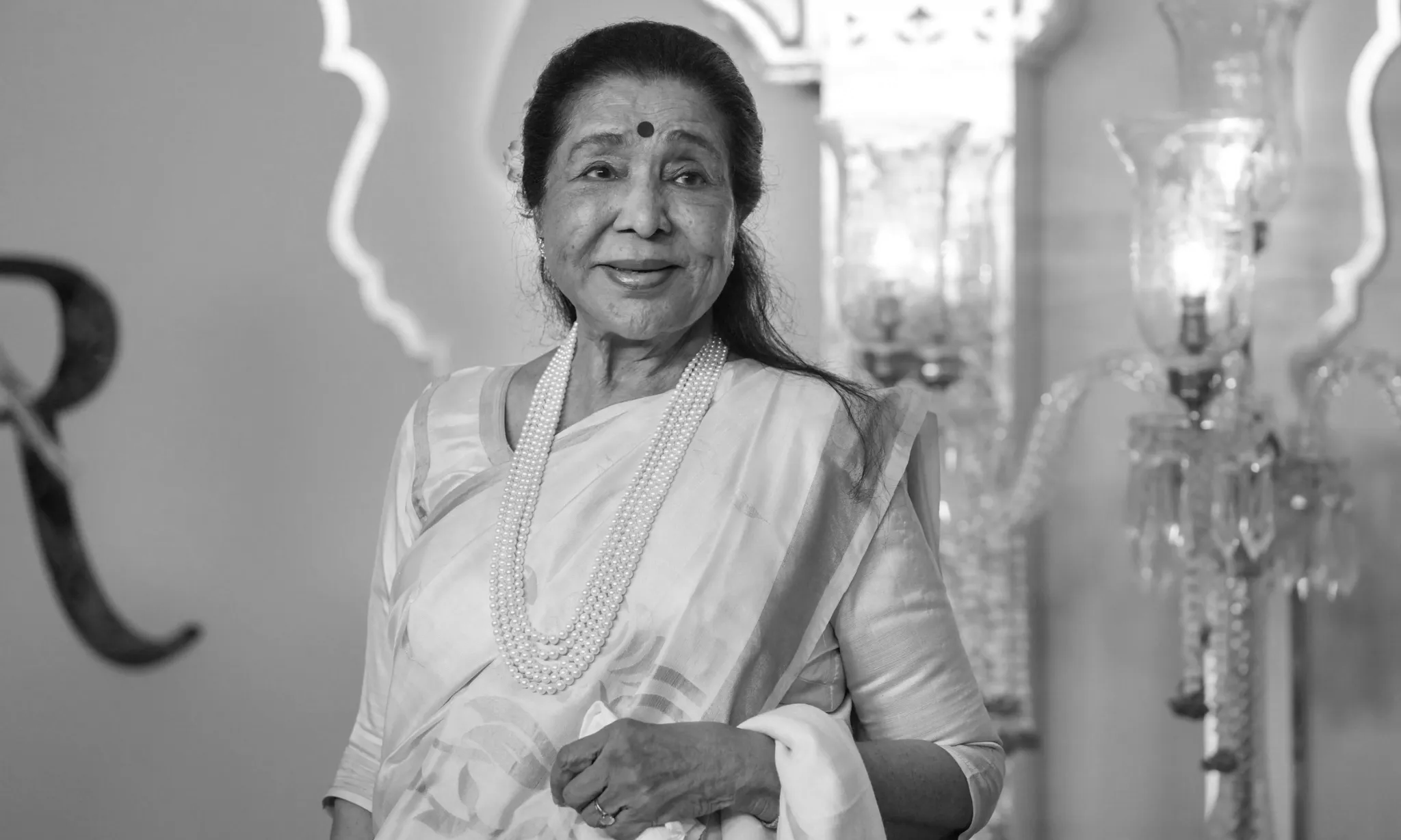
The legacy
of Asha Bhosle continues to shape Indian music and advertising alike, with
renewed attention on how the legendary singer transformed simple advertising
jingles into memorable musical compositions that resonated like film songs.
Best known
for her vast contribution to Indian cinema, Bhosle’s influence extended far
beyond playback singing. Her work in advertising introduced a new creative
standard, where jingles were no longer treated as background elements but as
emotionally engaging pieces of music that audiences could connect with and
remember.
From
Playback Icon to Advertising Pioneer
With a
career spanning over eight decades, Asha Bhosle recorded thousands of songs
across genres and languages, becoming one of the most versatile voices in
Indian music.
While her
cinematic contributions are widely celebrated, her role in shaping India’s
advertising soundscape remains equally significant.
During a
time when advertising jingles were largely functional and brief, Bhosle brought
melody, emotion, and narrative depth into the format. Her voice added a sense
of familiarity and warmth, making advertisements more relatable to audiences.
Early
Breakthrough in Advertising Music
One of the
earliest examples of her impact came in 1964, when she recorded a jingle for a
Hindustan Lever product. The composition, written and produced by leading
creatives of the time, marked a turning point in how brands approached audio
branding.
Instead of
treating jingles as simple promotional lines, the piece was structured like a
song, complete with poetic lyrics and a melodic flow. This approach elevated
the advertisement, making it memorable long after it aired.
The success
of such campaigns demonstrated that music could significantly enhance brand
recall, leading to a shift in how advertising content was produced.
Blurring
the Line Between Ads and Cinema
What
distinguished Bhosle’s jingles was their cinematic quality.
Her training
and experience in playback singing allowed her to bring the same emotional
depth to advertisements as she did to film songs. As a result, many of her
jingles felt like miniature musical stories rather than commercial inserts.
This
approach helped brands connect with audiences on a deeper level, as listeners
often engaged with the music first, and the brand message followed naturally.
Over time,
this technique redefined expectations within the advertising industry,
encouraging brands to invest more in high-quality compositions and professional
singers.
Long-Form
Jingles and Narrative Storytelling
Bhosle’s
contribution to advertising was not limited to short-format jingles.
In later
years, she participated in longer musical advertisements that blurred the
boundary between commercial and entertainment content. One notable example was
a multi-minute jingle created for a popular beverage brand in the early 2000s,
which featured a detailed musical narrative rather than a brief slogan.
These longer
formats allowed brands to tell stories through music, increasing audience
engagement and retention.
The success
of such campaigns reinforced the idea that advertising could be both
promotional and entertaining, setting a precedent for future marketing
strategies.
Influence
on Future Generations
Following
Bhosle’s success, advertising agencies began actively collaborating with
established playback singers for brand campaigns.
Artists such
as Sunidhi Chauhan and Alisha Chinai later contributed to advertising music,
continuing the trend of treating jingles as high-quality musical productions.
This shift
helped elevate the overall quality of advertising audio in India, aligning it
more closely with the standards of film music.
The
influence also extended to music composition, with advertisers investing in
better production, orchestration, and lyrical depth.
Strengthening
Brand Recall Through Music
Bhosle’s
work demonstrated the power of music as a marketing tool.
By combining
melody with messaging, her jingles ensured that brands remained in the minds of
consumers long after the advertisement ended. The repetition and musical appeal
made it easier for audiences to recall both the tune and the associated
product.
This
approach laid the foundation for modern audio branding strategies, where sound
plays a critical role in shaping consumer perception.
A Lasting
Cultural Impact
The recent
passing of Asha Bhosle at the age of 92 has prompted renewed reflection on her
contributions across multiple domains of music.
While her
legacy in cinema remains unmatched, her role in transforming advertising
jingles into culturally significant musical pieces highlights her versatility
as an artist.
Her ability
to adapt her voice across formats, from film songs to commercials, demonstrated
a deep understanding of audience engagement and storytelling.
Relevance
in Today’s Advertising Landscape
In today’s
digital-first environment, advertising has shifted toward short-form content
and rapid consumption. However, the principles established by Bhosle’s work
continue to remain relevant.
Modern
marketers are increasingly revisiting the idea of strong audio identity,
recognizing that music can create emotional connections that visuals alone may
not achieve.
The
resurgence of sonic branding, including signature tunes and audio logos,
reflects a return to the fundamentals that Bhosle helped establish decades ago.
A Legacy
Beyond Cinema
Asha Bhosle was
not just a playback singer but a creative force who redefined how music could
be used across industries.
Her
contribution to advertising serves as a reminder that even the shortest pieces
of content can leave a lasting impact when crafted with care and artistic
intent.
Outlook
As brands
continue to compete for attention in an increasingly crowded media landscape,
the role of music in advertising is expected to grow once again.
The
techniques pioneered by Bhosle, melding emotion, storytelling, and melody, offer
a blueprint for creating memorable and effective campaigns.
Her work stands as a testament to the enduring power of music, proving that even a jingle, when done right, can become timeless.

.jpg)

Comments
Loading comments...
Leave a Comment